
Articles
Read our latest articles.
-
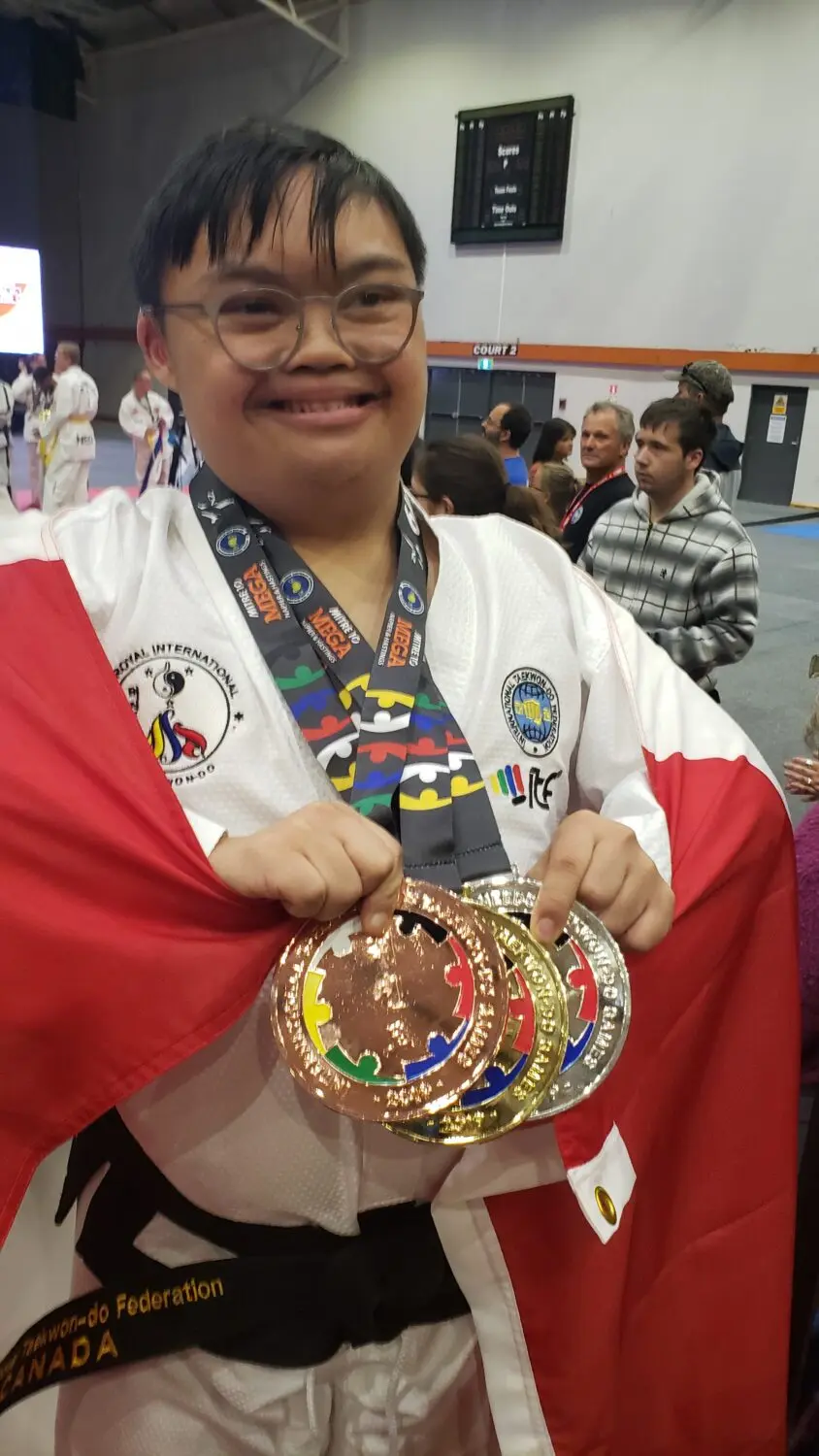
Martial Artists
April 1, 2025
Darryl Andaya and his father Darius share Darryl’s journey to becoming a Taekwondo world champion
Read article -
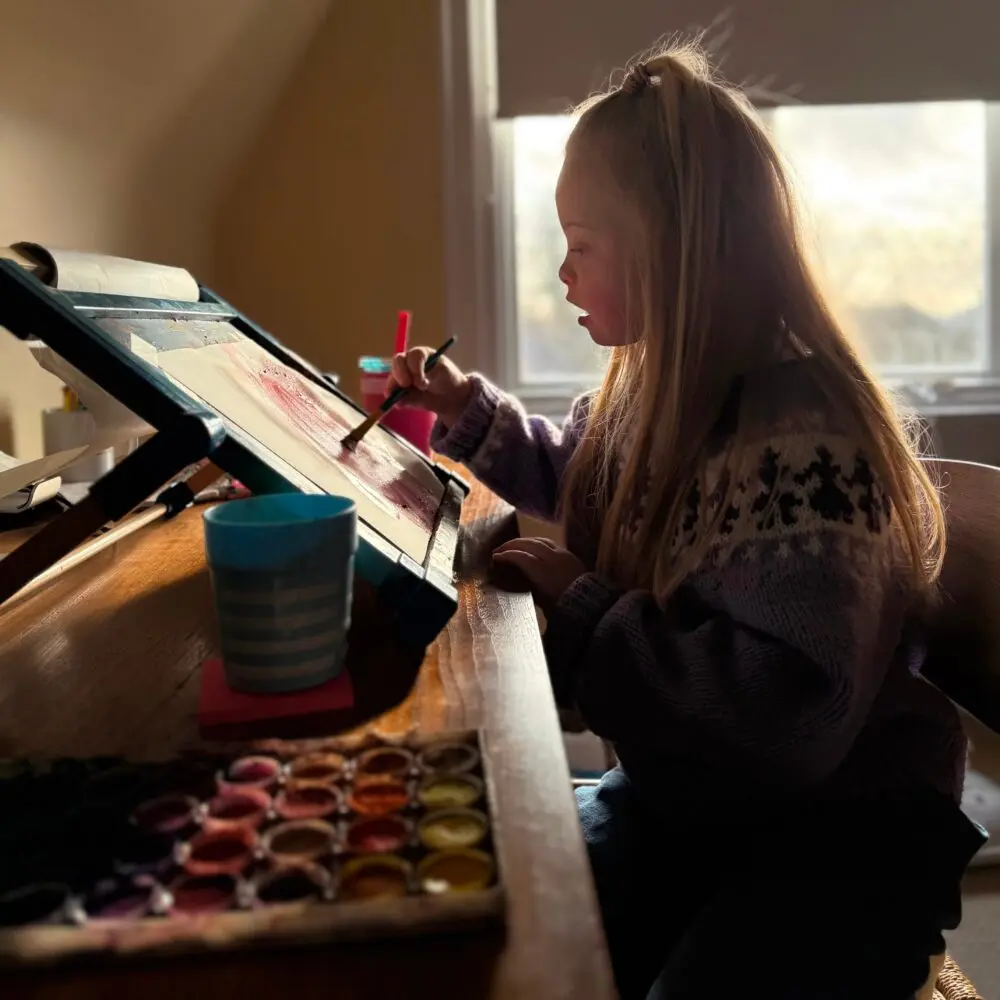
The Ripple Effect of Exclusion
March 3, 2025
How denying childhood belonging shapes a life
Read article -

A Self-Care Guide for Parents of Children with Down Syndrome
March 2, 2025
Prioritizing yourself isn’t selfish—it’s essential.
Read article -
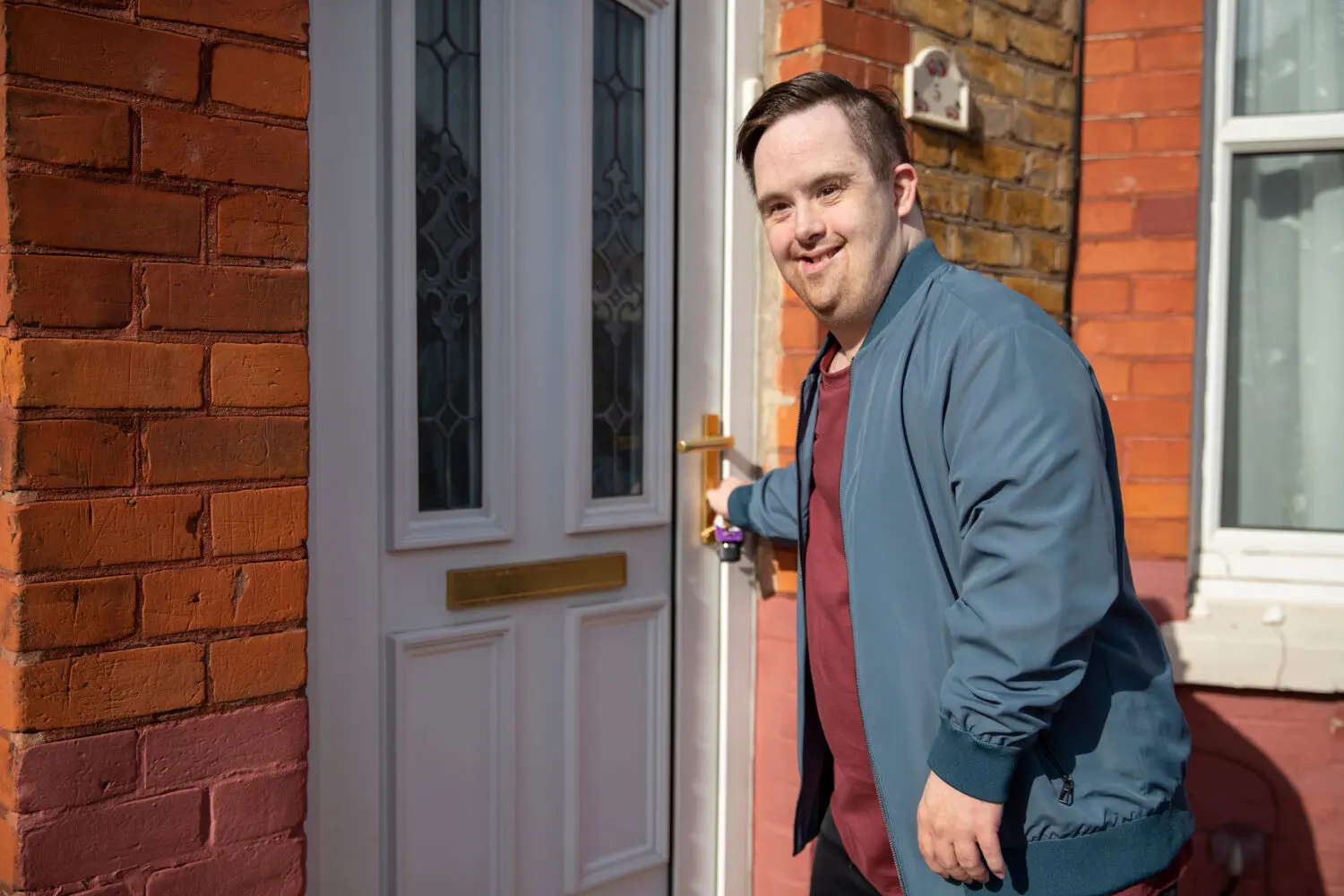
Made in Canada
February 4, 2025
Federal Financial Supports for Canadians with Down Syndrome
Read article -

Unlocking Independence: Developing Money Management Skills
January 7, 2025
When it comes to unlocking independence for people with Down syndrome, few skills are more valuable than money management.
Read article -
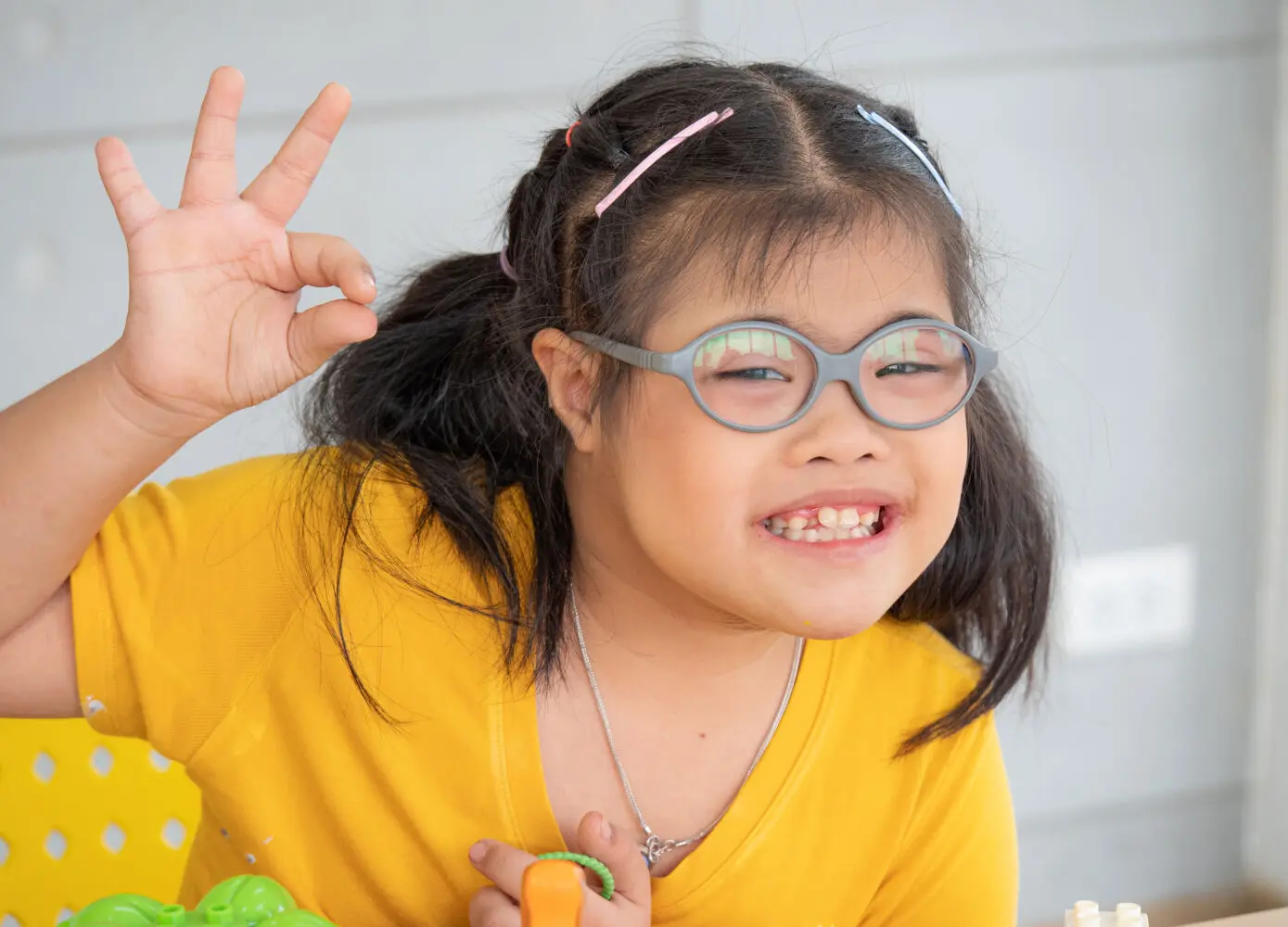
Tricky Transitions
November 20, 2024
Transitions can be difficult for children with Down syndrome – and school is full of them. Here’s how to navigate them.
Read article -
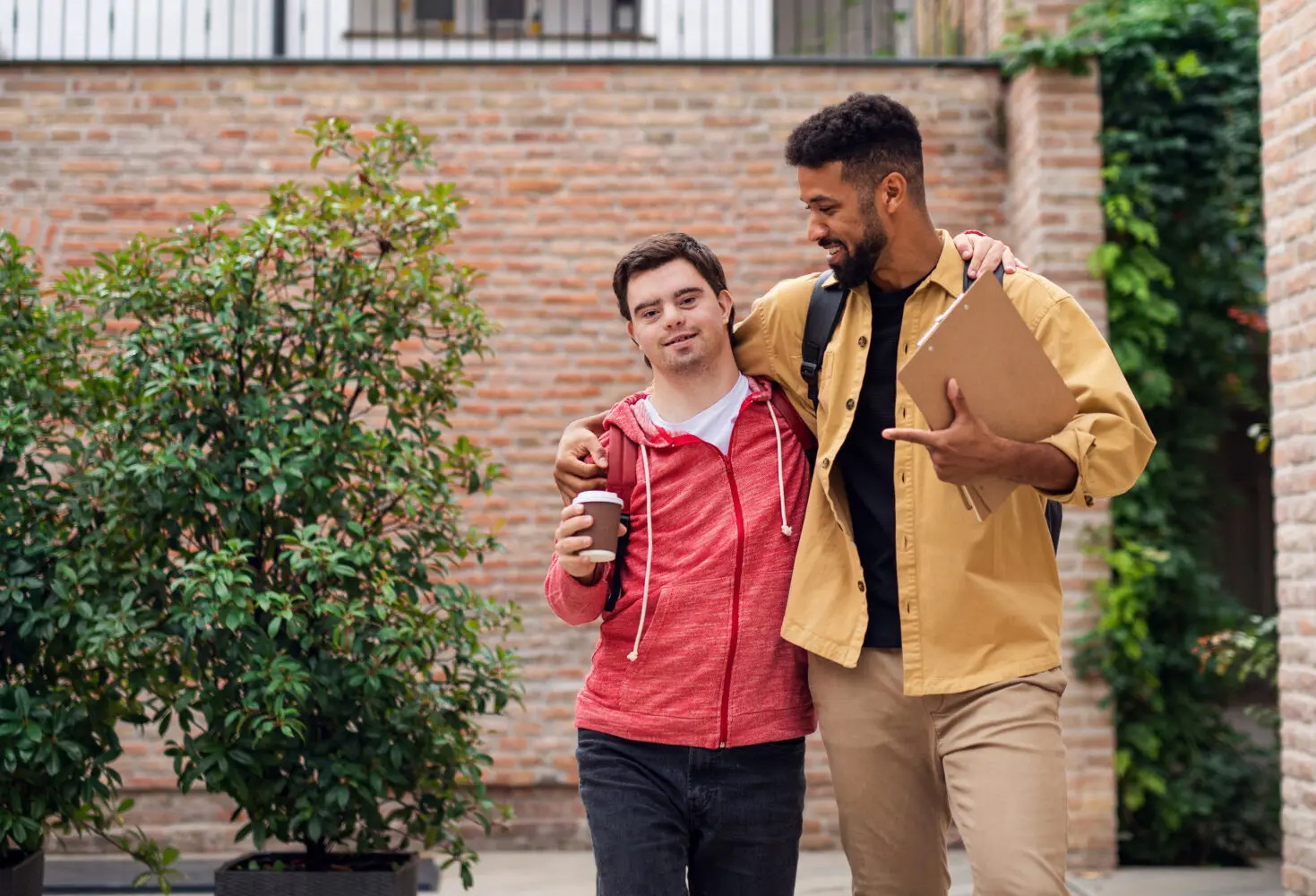
Clear Boundaries for Healthy Relationships in the School Setting
October 30, 2024
By helping students understand foundational concepts like touch, consent, and boundaries, we equip them for a lifetime of rewarding relationships.
Read article -
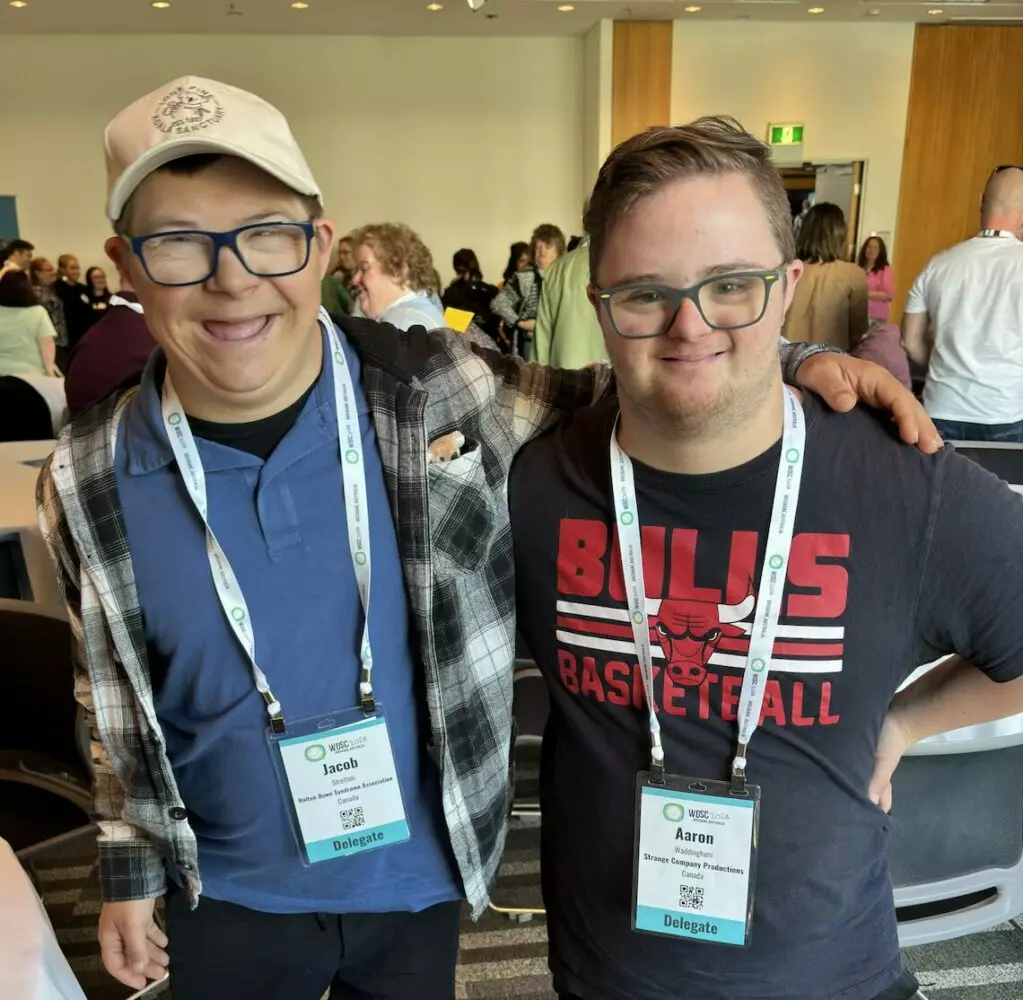
Lessons from the World Down Syndrome Congress
September 12, 2024
Brisbane, July 2024
Read article -
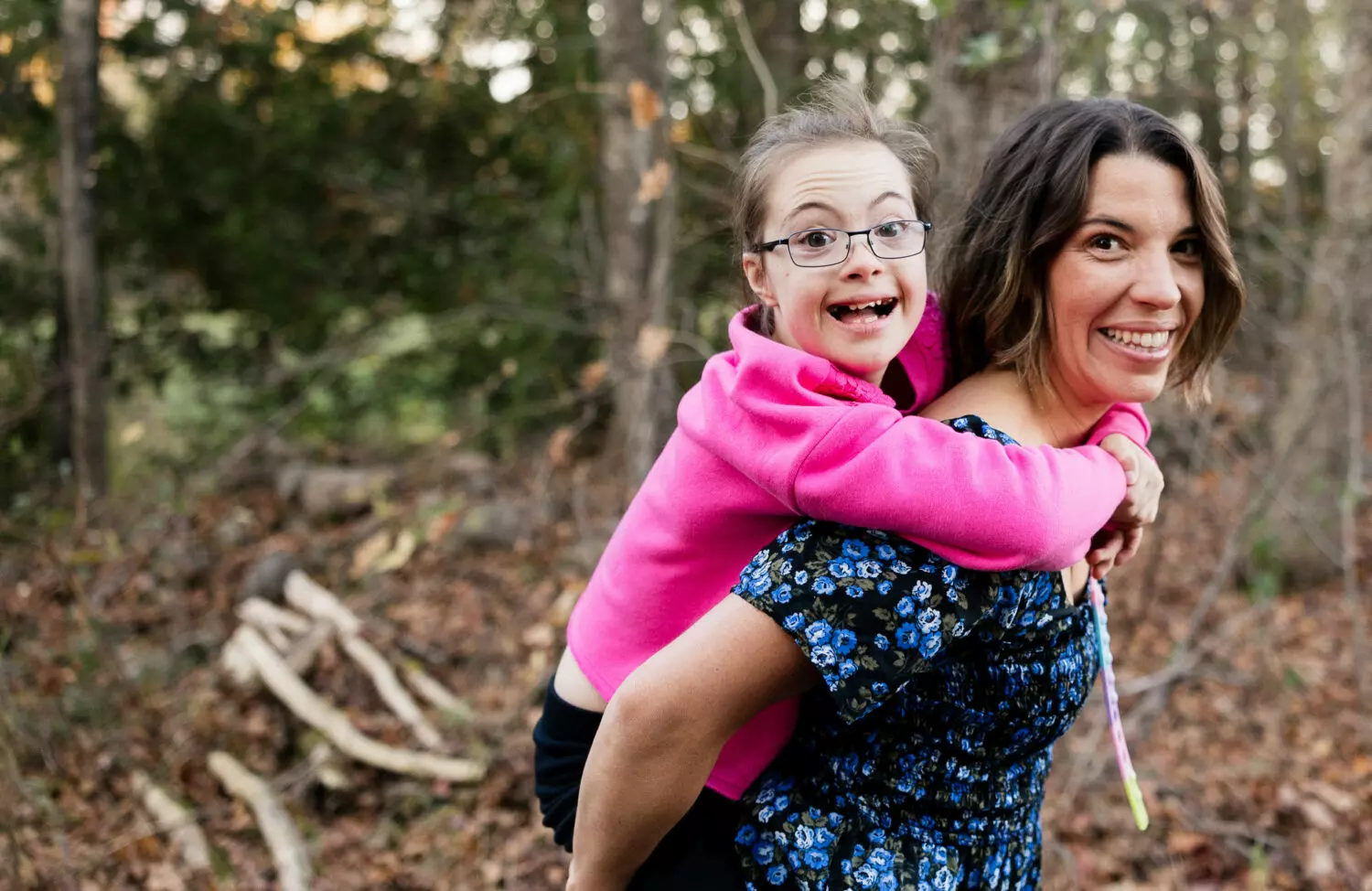
I Don’t Do Disability and Other Lies I’ve Told Myself
August 26, 2024
One parent’s pathway to confronting her own ableism and becoming an advocate for individuals with Down syndrome
Read article -

Fighting for Home
July 24, 2024
An Interview with Self-Advocate Lauren Simpson
Read article -

Advocating at the Intersection of Disability + Climate Change
June 18, 2024
How climate change impacts people with Down syndrome – and what we can do about it
Read article -

U-Turn: Down Syndrome Regression Disorder
March 27, 2024
An Interview with Dr. Jonathan Santoro and Dr. Eileen Quinn
Read article